Warehouse cleanup FAQs can help Castle Rock businesses plan a clear-out, sort unwanted items, and keep daily work moving. Start by listing what should go, marking what must stay, and choosing a time that suits site operations. A clear plan also helps staff prepare for safe access and special handling needs.
Warehouses can gather old pallets, broken shelving, worn furniture, and unused equipment. These items can take up space and make it harder to move goods safely. A planned cleanout gives your team time to decide what stays, what goes, and what needs another handling plan.
This guide explains what a warehouse cleanout may include, how to prepare, and what to ask a removal service. It also covers pallets, appliances, concrete pieces, and equipment. Every site is different, so match the plan to the building, its contents, and its daily work.
Table of Contents
- What does warehouse cleanup include?
- What affects the scope of warehouse cleanup?
- How should a warehouse cleanup be scheduled?
- How are pallets handled during a warehouse cleanout?
- Can shelving and racking be removed?
- What happens to unwanted equipment and machinery?
- How should warehouse debris be sorted for removal?
- How can a warehouse cleanout minimize disruption?
- What should property managers verify before hiring a junk removal service?
- How can businesses prepare for a warehouse cleanout?
- Frequently Asked Questions
- Key takeaways
- Conclusion
What does warehouse cleanup include?
Warehouse cleanup may include removing unwanted pallets, shelving, furniture, appliances, equipment, and loose debris. The work depends on what the business wants cleared and what can be safely taken from the site. A written list helps everyone understand the job before removal starts.
Common materials and items removed
A commercial cleanout may include damaged pallets, empty packing materials, broken office furniture, unused shelving, and old tools. It may also include large items such as desks, filing cabinets, refrigerators, or machines. Some jobs involve concrete pieces or renovation debris, which may need a separate plan from regular junk.
Sort items before moving them. Mark an area for things that must stay, so useful stock or company property is not taken by mistake. When possible, group items for reuse, donation, recycling, or disposal. Clear labels help the team know what each group means.
How cleanup differs from routine janitorial work
Routine janitorial work means regular cleaning, such as sweeping floors and emptying bins. A warehouse cleanout handles bulky or unwanted items that need sorting, carrying, loading, and removal. It may also need planning for loading docks, storage areas, and active work zones.
A cleanout does not replace building maintenance or hazardous-material work. Hazardous materials are items that may be unsafe, such as some chemicals or fuels. Things with fuel, refrigerants, or other regulated materials need review before they are moved. Castle Rock CO Junk Removal can help businesses talk through ordinary removal needs and spot items that may need a specialist.
What affects the scope of warehouse cleanup?
The scope depends on the amount and type of material, how easy it is to reach, and how the site will keep working. Removing a few loose items is different from clearing a full storage area with heavy equipment. Base the plan on a clear review of the job, not on guesses.
Factors that shape the work
The number of items matters, along with their size, weight, condition, and location. A large machine on an open floor may be easier to handle than small items on a high rack. Narrow aisles, stairs, limited dock access, and nearby stock that needs protection can also shape the plan.
The kind of material matters as well. Regular furniture and clean pallets are different from concrete debris, appliances, or equipment with fluids or electrical parts. Before removal, point out anything that is damaged, connected to utilities, or may be unsafe to handle.
Comparing small and large cleanouts
A small commercial removal may involve a few broken chairs, boxes, or appliances. A larger warehouse cleanout may cover several areas, mixed materials, and work with staff or tenants. Bigger jobs often need more sorting and planning to keep work areas and access routes clear.
When you discuss the work, explain what should go and what must stay. Photos or a site visit can help show access and item condition. A clear list also helps avoid confusion if you add items after agreeing on the plan. The final cost depends on the amount, item type, access, and handling needs, and should be confirmed in a quote.
How should a warehouse cleanup be scheduled?
Schedule a warehouse cleanup when the removal team can reach the items safely and daily work will face less disruption. The best time depends on shifts, deliveries, stock movement, and building rules. A shared schedule lets staff know which areas may be affected and when.
Planning around shifts and deliveries
Check the site calendar before picking a date. When possible, avoid busy receiving times, large deliveries, or planned stock moves. If the warehouse runs more than one shift, decide whether work should happen between shifts or in stages while the site stays open.
Confirm how vehicles can reach the loading area and whether a dock or entrance must stay open. Ask about building access rules, security steps, and approval from a landlord or property manager. These details can prevent delays and help keep other site users informed.
Preparing staff and work areas
Tell employees which areas will be cleared and mark items that must not be moved. If possible, move active stock away from the work zone. If staff or contractors will be nearby, show them where to walk and which routes must stay open.
A short team talk can cover timing, access points, and who can answer questions. Keep instructions simple and easy to see. For a cleanout done in stages, choose one person to confirm that each area is ready before removal begins.
How are pallets handled during a warehouse cleanout?
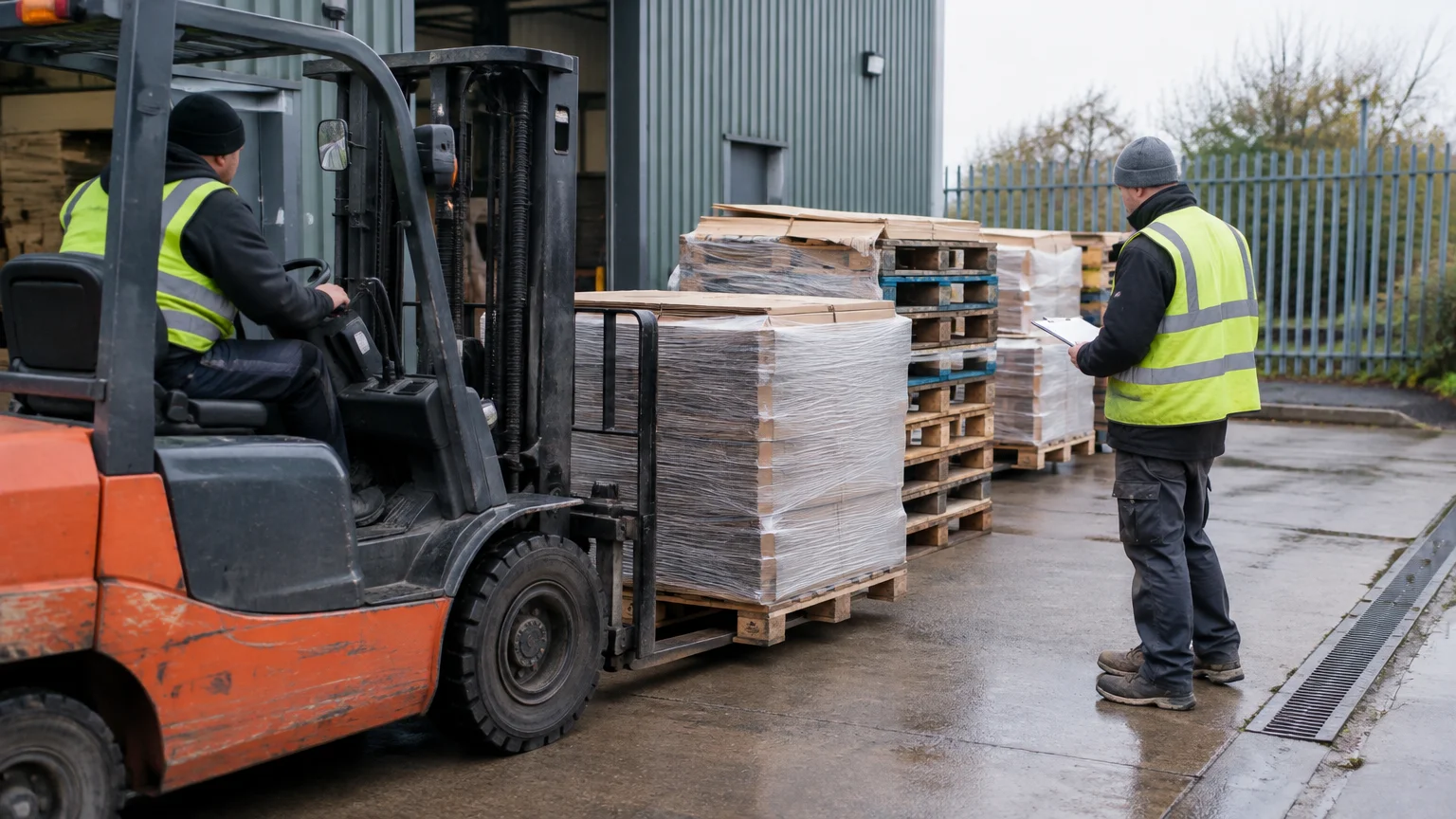
Sort pallets by condition and ownership before removal. Reusable pallets may stay on site or go through the business’s usual return process. Broken or unwanted ones can be set aside for removal. Clear sorting helps keep supplier or tenant pallets from being taken by mistake.
Sorting reusable, damaged, and unwanted pallets
Check whether pallets belong to the company, are part of a supplier exchange, or must be returned another way. Keep reusable pallets together in a marked area. Separate broken ones, including pallets with loose boards, exposed nails, or signs of spills.
Do not assume that every pallet belongs in the same waste stream. The right route may depend on its condition and material. If a pallet has a spill or an unknown substance, keep it apart and ask the site lead how to handle it.
Keeping staging areas clear and safe
Choose a staging spot that does not block a door, aisle, fire exit, or loading area. Keep stacks stable and follow the site’s usual safety rules. Do not put pallets where moving equipment or foot traffic could knock them over.
If pallets are kept outside, check that the area is allowed and does not block drainage or access. Tell the removal team where the sorted stacks are. This makes it easier to tell unwanted pallets from those the business plans to keep.
Can shelving and racking be removed?
Shelving and racking can often be removed if the business has permission and the system can be taken down safely. First, check whether it is fixed, loaded, damaged, or joined to other parts of the building. Heavy or unstable systems should not be taken apart by untrained staff.
What to check before dismantling
Clear stored goods from the area and mark any parts that must stay. Check with the property owner or facilities lead before removing fixtures, as some may belong to the building. Review the space around the structure and keep people away from the work zone.
Some racks are fixed to the floor or wall. Taking them down may leave anchors, holes, or other repair work. If the job involves wires, built-in systems, or unknown connections, stop and ask a trained professional to check them first.
Coordinating with warehouse operations
Plan the work to protect nearby storage and active routes. Move goods from the surrounding area and set a clear boundary around the work. Tell staff when the aisle will close and how they can reach other work zones.
The removal service should know which parts are approved to go and which must stay. Marking items and checking the list together can help prevent mistakes. If the warehouse stays open, agree with the site lead before the team moves to another area.
What happens to unwanted equipment and machinery?
Identify and check unwanted equipment before anyone moves it. Some items may be handled as bulky junk, while others can contain oil, batteries, refrigerants, or electrical parts. Mark unknown or connected equipment for review before removal.
Identifying items that need special handling
Make a list of machines, appliances, and tools that are no longer needed. Note if each item is plugged in, connected to a utility, leaking, or damaged. A refrigerator or other appliance may need special preparation, so staff should not cut lines or remove parts without proper training.
If equipment contains a battery, fluid, chemical, or unknown material, keep it apart from general debris. Follow the site’s safety steps and ask a suitable specialist if you do not know what is inside. Do not put these items in a general pile just to make the cleanout faster.
Separating reusable equipment from general debris
Some equipment may still work and could help another team or site. Mark these items for reuse before removal day and keep them away from the junk pile. For company property, make sure the right person has approved its release.
Broken furniture can usually be grouped with other bulky items once you know it is unwanted. Empty desks, chairs, and cabinets first. Check a refrigerator or other appliance for contents and handling needs before moving it.
How should warehouse debris be sorted for removal?
Sort warehouse debris by material, condition, and handling needs. Keep regular junk away from items that could pose a risk or need a special disposal route. Good sorting helps explain the work and keeps unwanted items from mixing with useful stock.
Separating ordinary junk from special materials
Set aside clean, ordinary items such as unwanted furniture, empty shelving parts, and general packaging. Keep appliances, batteries, electronics, liquids, and unknown materials in separate groups until their handling needs are clear. Do not mix items that may be hazardous with regular debris.
The phrase “cleanup junk files” usually means digital files, not physical warehouse waste. Clearing computer files is a separate task and should follow the business’s data rules. “Space junk cleanup” is also a different topic and does not mean clearing a warehouse floor or storage area.
Preparing bulky debris
Before removal, empty drawers, cabinets, and furniture when it is safe. Keep loose items together and label anything that belongs to another department. Large objects may need a clear path from their current spot to the loading area.
Concrete chunks and heavy renovation debris need extra care because they are dense and hard to move. Keep them out of mixed piles with lighter items. Tell the removal service what the material is and where it sits, so the handling plan fits the load.
How can a warehouse cleanout minimize disruption?
A cleanout can disrupt less work when the team plans work areas, routes, and timing in advance. The warehouse lead should decide which zones can close and which need to stay open. Clear signs and staff updates help people avoid the work area.
Protecting work zones and access routes
Mark the removal zone and keep it away from active storage or picking areas. Keep paths clear for workers and equipment. Do not block exits, safety stations, loading doors, or routes that staff need during normal work.
If the site uses forklifts or other moving equipment, agree on how the removal team will work nearby. Keep people who are not part of the job away from lifting and loading areas. Stop the work if a new hazard appears or a route becomes unsafe.
Coordinating with employees, tenants, and contractors
Tell employees, tenants, and contractors what will happen and which areas may be affected. Share the agreed schedule and name someone who can answer site questions. In a shared building, check access rules with the property manager before work starts.
A cleanout in stages may work better for a busy warehouse than clearing every area at once. The team can finish one zone, check the route, and then move on. This can help the business keep needed work going while unwanted items are removed.
What should property managers verify before hiring a junk removal service?
Property managers should confirm the job scope, site access, item types, and handling plan before choosing a removal service. They should also check building rules and confirm who can approve the work. Clear answers help the service plan its visit and avoid confusion on site.
Confirming scope and site requirements
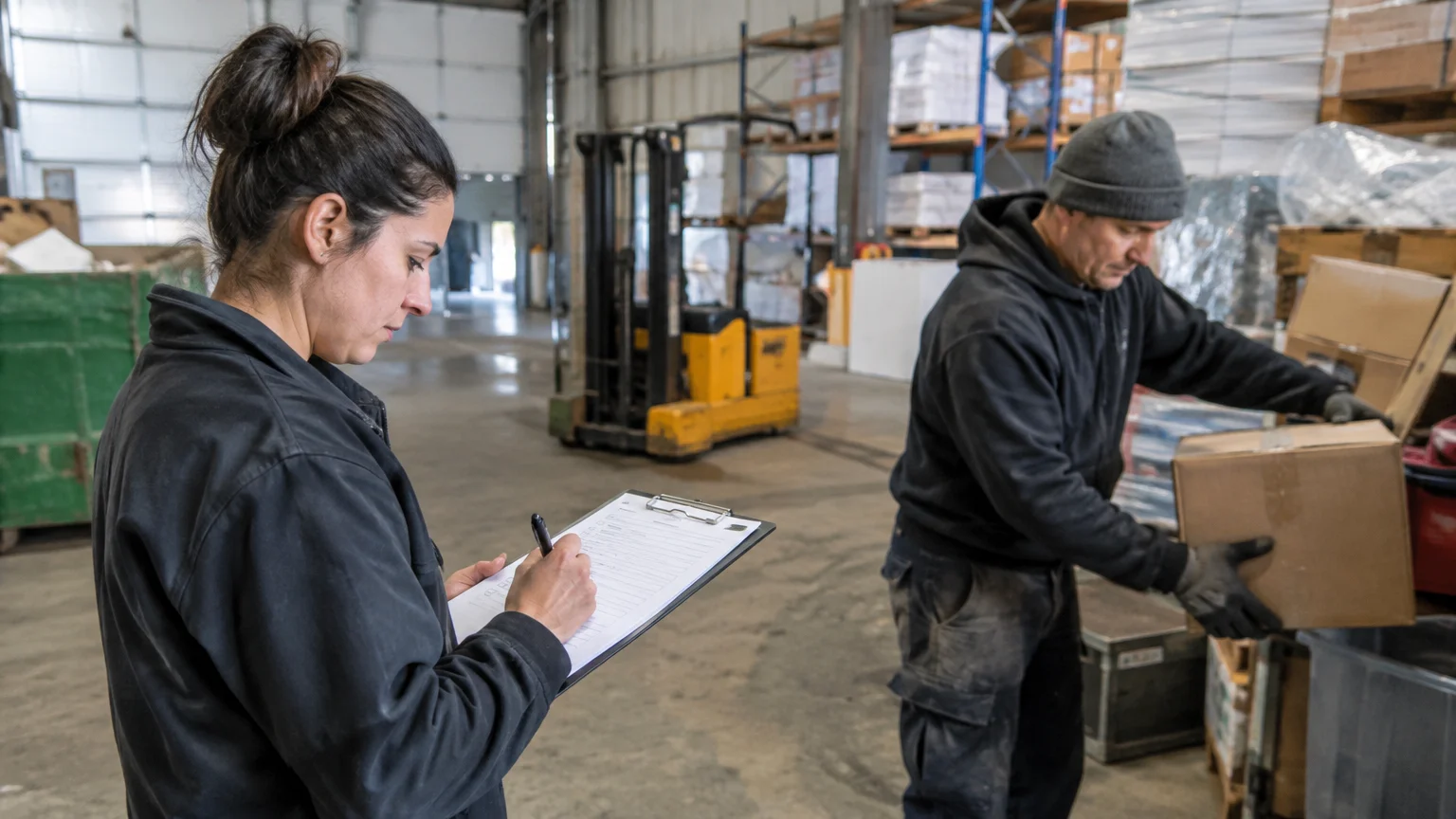
List the items to remove and identify anything that must stay. Share details about stairs, narrow doors, loading docks, access hours, and parking limits. Explain if the warehouse will be working during removal and which routes need to stay open.
Ask what the service can take and what needs another handling route. This matters for appliances, machinery, batteries, liquids, and concrete debris. The service should explain its process clearly and say when another trained provider may be needed.
Questions to ask about handling
Ask how the crew will identify approved items, protect the work area, and keep routes clear. Find out how the service handles reusable items and materials that may need special disposal. The business should also confirm what needs to be ready before the crew arrives.
Avoid relying on broad promises without a clear list of work. Review what is included, what is not included, and how changes will be handled. Castle Rock CO Junk Removal can talk with Castle Rock businesses about commercial removal needs and help clarify whether a warehouse cleanout fits its service plan.
How can businesses prepare for a warehouse cleanout?
Businesses can get ready by making an item list, marking what stays, and clearing a safe path to the items for removal. A short site check before the visit can find access problems early. Choose one person who can answer questions about the items.
Creating an inventory
Walk through each planned area and record the items to remove. Note large pieces, appliances, machinery, and debris that may need special handling. Mark valuable equipment and company property so it is not mistaken for unwanted material.
Use signs, labels, or separate zones to show what should stay, go, or be checked. Empty furniture and cabinets when safe and allowed. Make sure staff know not to add items to the removal pile without approval.
Final walkthrough and checks
Before the crew arrives, check that the access path is open and the work area is ready. Confirm that site approval, keys, and entry instructions are in place. Review any safety rules the removal team must follow.
After the cleanout, walk through the cleared space with the site lead. Check that required items remain, access routes are open, and the space is ready for its next use. Write down any repair or maintenance work for the right team.
Frequently Asked Questions
How do businesses get rid of an old refrigerator?
First, empty the refrigerator and check its condition and connections. Do not cut utility lines or remove parts without proper training. Ask a removal service or qualified appliance handler what preparation is needed. Refrigerators may need a separate handling route from regular furniture and loose warehouse debris.
How can a business dispose of old or broken furniture?
Mark the furniture for removal and empty desks, cabinets, and drawers first. Keep items that may be used again in a separate area. Broken furniture can be grouped with bulky junk when it has no special hazard, but handle damaged parts with care to avoid sharp edges or loose pieces.
How should a warehouse dispose of concrete chunks?
Keep concrete chunks apart from light, mixed debris. Tell the removal service what the material is, where it is stored, and whether it includes anything else. Concrete is heavy and may need its own handling plan. Do not overload carts, bins, or equipment that are not made for heavy loads.
Can a warehouse cleanout happen while the business is open?
It may be possible when the work area can be kept apart from active operations. Plan routes, staff notices, delivery times, and safety boundaries first. If people or equipment cannot stay clear of the removal zone, choose a quieter time for the work.
What should be done with equipment that may contain fluids or batteries?
Keep the item away from ordinary junk and do not open or take it apart. Mark it for review and follow the site’s safety rules. Ask a trained handler what to do if the contents are unknown, leaking, or connected to a utility.
Key takeaways
- Make an item list and mark what must stay before removal begins.
- Sort pallets, appliances, equipment, and heavy debris by type and condition.
- Keep exits, work routes, and loading areas clear during the cleanout.
- Ask about special handling for batteries, fluids, and unknown materials.
- Confirm site access, the job scope, and preparation needs in advance.
Conclusion
A well-planned warehouse cleanout starts with clear sorting, safe access, and agreement on what will be removed. Businesses can avoid confusion by naming a site lead and sharing the plan with staff, tenants, and contractors. Learn about commercial junk removal and Castle Rock CO Junk Removal, then Contact us to discuss your warehouse cleanup.
If you are not sure what you are dealing with, it is worth having someone look at it before it turns into a bigger job. Get in touch with Castle Rock CO Junk Removal today and we will tell you where you stand.