A scrap metal demolition service helps a warehouse remove unwanted metal fixtures, shelves, machines, and other items. The work may include taking apart approved equipment and hauling away demolition debris. Before work starts, the owner and service team should agree on what goes, what stays, and how people will stay clear of the work area.
Old racks, broken machines, or loose metal can take up useful warehouse space. A clear plan helps owners and managers prepare for cleanup, repairs, or a change in how the site is used. Castle Rock CO Junk Removal can help businesses review their warehouse removal needs.
Table of Contents
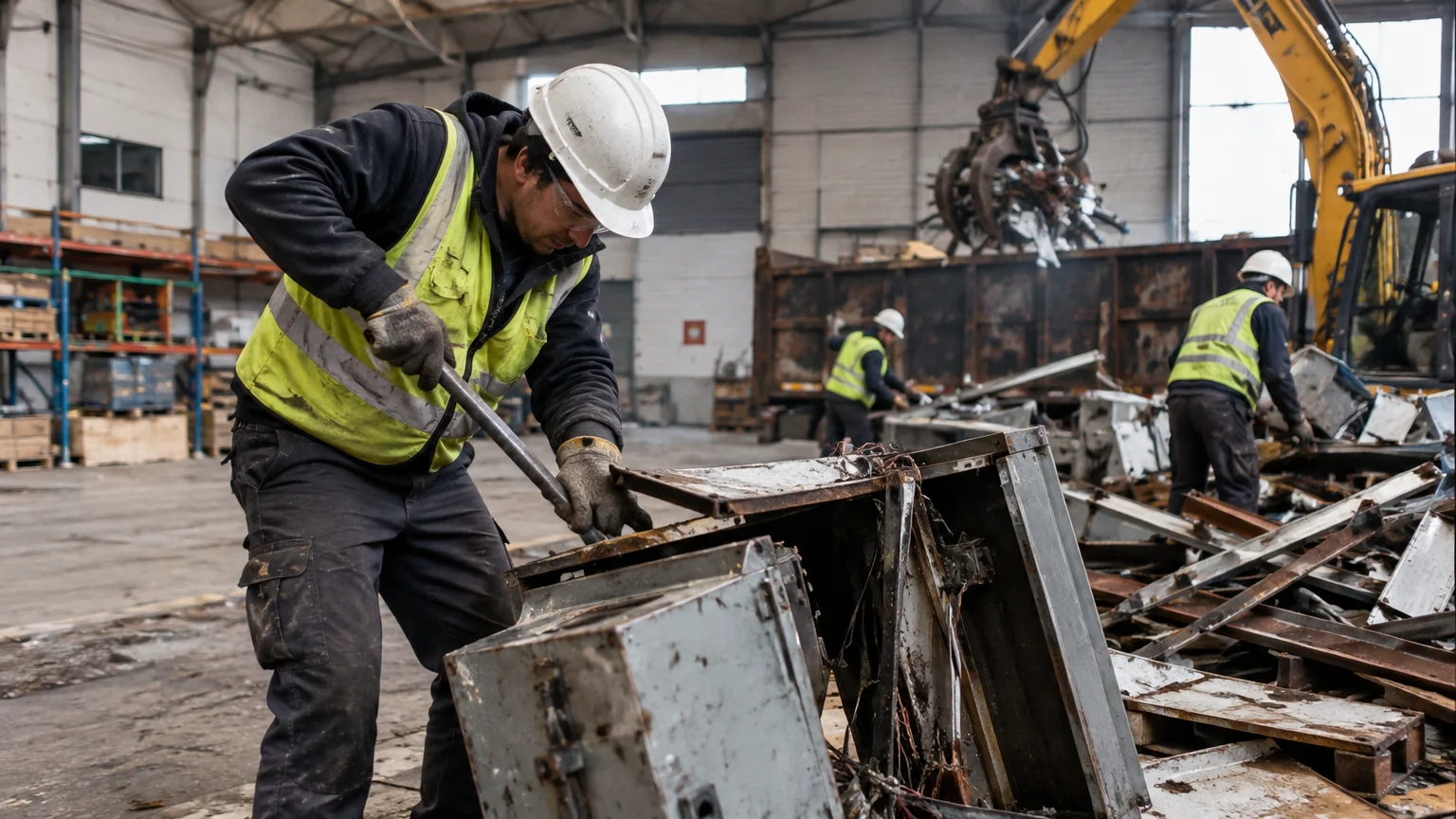
- What Does a Scrap Metal Demolition Service Include?
- When Should a Warehouse Use Scrap Metal Demolition?
- Which Scrap Metal and Warehouse Items Can Be Removed?
- How Is a Scrap Metal Demolition Project Planned?
- How Can a Warehouse Prepare for Metal Removal?
- What Safety and Recycling Practices Matter?
- How Do You Choose a Scrap Metal Demolition Service?
What Does a Scrap Metal Demolition Service Include?
A scrap metal demolition service removes agreed-upon metal items from a site. The crew may also take apart some items before hauling them away. The work depends on what needs to go, its condition, and how easy it is to reach. In a warehouse, the main goal is often to clear space for work, repairs, or a new use.
How removal differs from demolition
Removal means taking an item away from the property. Demolition means taking a fixture or structure apart. Some warehouse jobs need only metal junk removal, such as hauling loose shelves or broken equipment. Other jobs may call for taking apart a bolted rack or removing a fixed metal fixture. The owner and service team should agree on the work before anything is taken apart.
A scrap metal demolition service is not always a building demolition contractor. Major changes to a building may need a separate contractor, engineer, or other trained expert. If a wall, roof support, platform, or other building part could be affected, the owner should have the plan checked first. This helps keep the work within the right limits.
Common warehouse materials and equipment involved
Warehouse cleanup may include metal shelves, pallet racks, work tables, carts, machine parts, and other equipment. Some items are made from more than one material. A machine, for example, may have metal, plastic, wires, and rubber parts. The team should know which items are approved for removal and which must stay.
Some businesses look for scrap metal junk removal when they have bulky items, not just loose scrap. A pile of metal pieces is different from a large machine that may need to be unplugged or taken apart. Castle Rock CO Junk Removal can help Castle Rock businesses talk through the work before setting a removal date. A clear list makes it easier to plan the right service.
When Should a Warehouse Use Scrap Metal Demolition?
A warehouse may need scrap metal demolition when old fixtures or equipment block work, repairs, or a planned change. It can also help when a business is moving, closing, or making room for new work. It is best to plan before unwanted items block safe access or delay another job. Early planning gives staff time to sort items and share important details.
Signs equipment or structures are ready for removal
A bent rack, unused work table, or broken machine may take up space without helping the business. Damaged or incomplete items can also make it harder to clean and check the area. A property manager can start with a list of items that may need to go. Any item that needs more review should be marked separately.
Not every old item should be removed at once. A fixture may belong to a tenant, still support daily work, or be worth repairing. The business should check who owns each item and ask staff who use the space before making a final plan. This can keep useful equipment from being treated as junk by mistake.
Planning around renovations, relocation, or closure
A renovation may need open floors and clear paths for other workers. A move may mean removing fixtures that will not fit at the next site. When a warehouse is closing, the owner may need to sort machines, records, and other business property before hauling begins. Each of these jobs works better when the removal plan starts early.
An early plan gives staff time to mark items, protect what stays, and set aside things for reuse or sale. It can also reduce rushed choices about large items. Business owners should share key dates and work limits with the removal team. This matters most when other work will happen in the same part of the warehouse.
Metal removal may be only one part of a larger cleanout. A site may also have office furniture, appliances, concrete pieces, or broken furniture. These items may need a different plan, so list them rather than calling everything scrap metal. Sharing the full list helps the team understand the whole job.
Which Scrap Metal and Warehouse Items Can Be Removed?
A removal team can often haul approved metal fixtures, shelves, equipment, and loose scrap from a warehouse. What can go depends on access, condition, ownership, and any need for special care. The business should give the team a clear item list before the work begins. This gives both sides time to discuss any limits.
Pallet racking, shelving, and metal fixtures
Pallet racks, metal shelves, workbenches, guards, and unused fixtures are common warehouse cleanup items. Some are loose and ready to be carried away. Others are attached to a floor or wall and may need to be taken apart with care. The owner should point out what must stay, including racks that hold stock or support daily work.
A walk through the site can help sort items by place and condition. Tags, signs, or a simple marked plan can show what the team may remove. This helps in a shared building, where one tenant’s property may sit near another tenant’s items. Clear marks can help protect anything that is not part of the job.
Machinery, equipment, and mixed-material items
Old machines, metal carts, conveyor parts, and shop equipment may be part of a warehouse removal job. A machine can contain more than metal, so staff should check it before treating it as scrap. The owner should find out whether it has fluids, batteries, wires, stored materials, or attached parts. This information helps the team plan how to handle it.
Large appliances may also be part of a cleanout. A fridge, for example, may need special care, so ask how the service can accept and handle it. Furniture, concrete pieces, and general debris are not the same as scrap metal, even when they are part of one job. Listing each kind of item helps the team plan the right way to remove it.
Businesses may ask if loose scrap and large warehouse equipment can be handled during one project. That is a useful question because the two kinds of items may need different steps. For a commercial cleanout, start by naming the items, noting their condition, and asking how the service handles them. This gives the team a better view of the work.
How Is a Scrap Metal Demolition Project Planned?
A warehouse metal removal job starts with a review of the items, work area, access, and site needs. The owner and service team should agree on the job before work begins. A clear written plan or shared item list helps everyone know what is included and how the space should look when the work is done. It also helps prevent changes that were not agreed upon.
Site assessment, access, and scope
The team needs to know where items are and how they can reach them. Narrow aisles, loading areas, stairs, low doorways, and busy docks may affect the work plan. The owner should share any access limits and point out areas where the crew should not go. These details can help the team choose a safe route.
The plan should name what will go and what must stay. It should also say whether the work includes taking items apart, moving them to a loading area, or hauling them away. If an item cannot be handled safely as planned, the crew should stop and talk with the owner. They should not make a new plan without approval.
Scheduling around employees and operations
Removal work should fit the warehouse’s daily needs. A business may pick a time when fewer workers need the aisle or when trucks are not arriving. The plan can also name a safe path for workers and visitors while the crew is on site. This helps people avoid the work area.
Managers should tell staff which areas will be affected and who can answer questions. If the crew will work near stored goods or machines in use, the plan may need a clear boundary around that spot. A schedule that fits the workday can help limit delays. It also helps keep people away from the removal area.
A good plan should cover the end of the job too. The business should know who will check the cleared space and what will happen to any items left behind. If another contractor will start work next, both teams should know when the area will be ready. Clear timing can help prevent overlap.
How Can a Warehouse Prepare for Metal Removal?
A warehouse can prepare by clearing the route, marking approved items, and telling the team about known hazards. These steps help the crew understand the site and protect items that should stay. Staff should not take apart heavy or attached equipment unless that task has been assigned to trained people. A clear plan helps everyone know what to expect.
Clearing access routes and identifying hazards
The business should make a clear path from the items to the loading area. Move loose boxes or stock that block the route, but do not shift heavy equipment without a safe plan. Tell the team about uneven floors, low ceilings, busy vehicle paths, or other conditions that may affect the work. This helps the crew prepare before moving items.
The owner should point out power connections, stored chemicals, sharp edges, and unstable items. If a machine is still connected or has unknown contents, a trained person should check it before removal. Staff should stay clear of anything that could tip, fall, leak, or release dust. If something seems unsafe, stop and tell the site manager.
Separating items for removal, retention, or recycling
A simple sorting plan can help prevent mix-ups. Mark items to remove, items to keep, and items that need more review. The business can also set aside parts for reuse if they are safe and belong to the business. One person should check the marks with the service team before work starts.
- Remove: Items the owner has approved for hauling.
- Keep: Equipment, stock, or fixtures that must remain.
- Review: Items with unclear ownership, contents, or condition.
- Handle separately: Materials that may need special care or another service.
This is helpful when the site has furniture, appliances, or general debris along with metal. It helps staff explain what is included without assuming every unwanted item belongs in one load. Before work starts, one person should confirm the marked items with the service team. That final check can clear up questions before removal.
What Safety and Recycling Practices Matter?
Safe warehouse removal depends on clear work limits, careful handling, and a plan for items that need special care. Some scrap metal may be recycled, but not every item can be handled in the same way. The service team should explain what it can accept and how it handles other debris. The owner should share any known risks before the crew begins.
Managing structural, electrical, and material hazards
A metal rack or machine can be heavy, sharp, or unstable. Workers should not take apart parts that may affect a building support or an active system without the right review. If the job could affect a wall, floor, utility, or fixed structure, the owner should stop and ask a trained expert for help. This is not a task to guess about.
A trained person should disconnect electrical equipment when needed. Do not open or move a machine, container, or appliance with unknown contents without checking it first. If staff find a spill, damaged battery, or material they cannot name, they should keep away and tell the site manager. The manager can decide on the next safe step.
The business should keep workers and visitors outside the active work area. A clear boundary and a named site contact help people know where to go and whom to ask. The removal team should also know about any rules for visitors or contractors. These steps help keep the work area clear.
Sorting scrap metal and handling non-recyclable debris
Sorting can keep metal apart from mixed waste when the items and local options allow it. A machine may have metal parts alongside plastic, rubber, wires, or other materials. The service team can explain what it can take and whether different items need separate handling. Ask about these details before the crew arrives.
A warehouse may also need help with concrete pieces, furniture, or broken appliances. These are not all scrap metal, and some may need another way of handling them. The owner should list these items early rather than adding them at the last moment. This gives the team a chance to plan for them.
People searching for scrap metal junk removal may be thinking about loose metal. A warehouse job may also involve large fixtures and mixed debris. A clear list helps set expectations for the whole project. After removal, the site manager can check that the area is clear and that items meant to stay are still in place.
How Do You Choose a Scrap Metal Demolition Service?
A business should choose a service that understands commercial sites, shares clear details, and confirms the work before it starts. The right choice depends on the items, the property, and how much taking apart is needed. Owners should ask direct questions and check that the answers fit the job. This can help the project run with fewer surprises.
Questions to ask about experience, scope, and disposal
A service provider should explain how it handles warehouse fixtures, large equipment, and mixed materials. Businesses can ask whether the team has worked on similar sites and how it plans around workers, access limits, and daily tasks. Answers should be clear and based on the actual property. A general answer may not cover the site’s needs.
Useful questions include:
- Which items are included, and which items are not?
- Does the job include taking items apart, hauling them, or both?
- What should the business do about connected equipment or unknown contents?
- How will the team protect items and areas that must stay?
- How will accepted metal and other debris be handled after removal?
A business should also ask what happens if the crew finds an item that was not on the list. A clear process lets the owner decide before the work changes. The service provider should not guess who owns an item or remove property that was not approved. This is especially important in shared buildings.
What to confirm before work begins
Before work starts, confirm the item list, route, work area, schedule, and site contact. Make sure the person approving the job has permission to do so. In a rented warehouse, the owner or manager may need to approve removal of attached fixtures. Checking first can prevent a problem later.
The business should also decide who will prepare equipment, tell staff, and check the area after removal. If another contractor is involved, share the plan so work does not overlap in an unsafe way. Castle Rock CO Junk Removal can help local businesses discuss commercial cleanouts and clarify which items belong in the removal plan. Castle Rock businesses can use these steps to get ready before choosing a service.
Frequently Asked Questions
How do businesses get rid of an old fridge in a warehouse?
A business should check the fridge’s condition, contents, and any site rules before removal. It can ask a commercial junk removal service whether the appliance is accepted and how it will be handled. Staff should not move a large fridge through busy work areas without a safe path. Planning the route first can help protect workers and nearby items.
Can a removal team take apart pallet racks?
Some jobs include taking apart approved shelves or pallet racks, but the work should be agreed on first. The owner should mark sections that must stay and check whether the racks connect to other fixtures. If removal could affect a building or active system, ask a trained expert to review the plan. Do not assume every rack can be taken apart in the same way.
Can broken furniture and concrete go with scrap metal?
They may be part of the same warehouse cleanout, but they are different materials and may need separate handling. The business should list them while planning the job and ask what the service can accept. Concrete, furniture, and metal should not be mixed without checking the plan. A clear list helps everyone know what to expect.
What should a warehouse do with a machine that is still connected?
The business should not ask the removal crew to pull connected equipment before it is made safe. A trained person should check the power source and any stored fluids or materials. After the machine is ready, the owner can ask whether it fits the removal plan. This helps avoid unsafe handling.
How should a business prepare before the crew arrives?
The business should mark approved items, clear a safe route, and point out hazards or closed areas. Staff should know what work is planned and who can answer questions. Items with unclear ownership or contents should be set aside until the owner decides what to do. These steps can make the visit easier to manage.
Key takeaways
- Agree on the removal plan before work begins.
- Mark approved items and protect equipment that must stay.
- Tell the service team about access limits and known hazards.
- Ask how mixed materials and other debris will be handled.
- Use trained help for connected equipment or building concerns.
Conclusion
A well-planned scrap metal demolition service can help a warehouse clear unwanted fixtures, equipment, and metal debris. The business should check ownership, prepare access, and mark items that need special care before work starts. These steps can help protect people and property while making the space easier to use. Castle Rock CO Junk Removal can help businesses review warehouse cleanup needs.
Contact us to discuss a warehouse cleanup and confirm which items need removal.